
Object Record
Images
Additional Images [19]
Metadata
Artist |
DiGiorgio, Joseph |
Title |
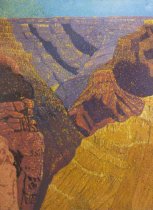
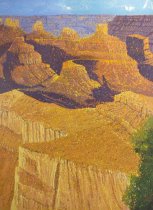
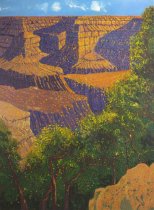
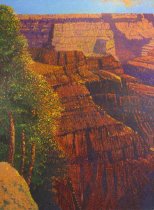
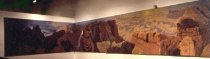
The Grand Canyon |
Date |
1985 |
Medium |
oil on canvas |
Culture |
American |
School |
Pointilism |
Object ID |
1997.72 |
Collection |
Contemporary Art (1970-present) |
Object Name |
Painting |
Credit line |
Gift of the Artist |
Didactic Information |
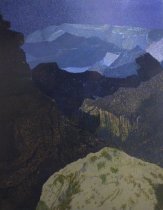
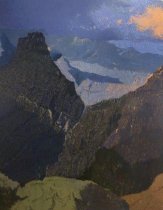
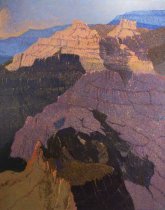
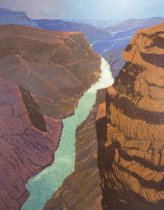
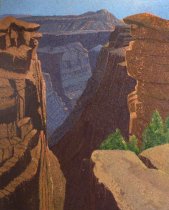
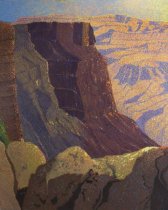
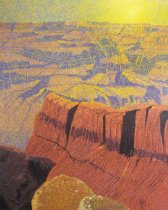
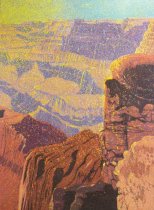
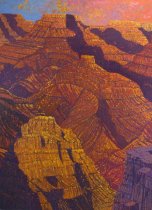
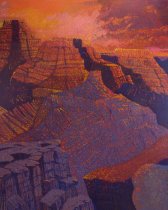
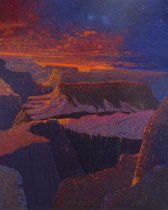
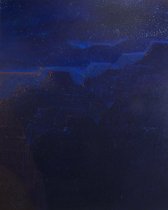
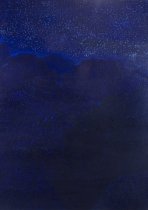
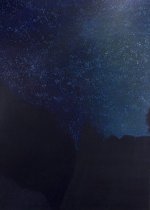
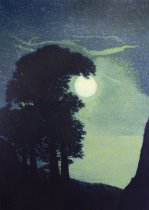
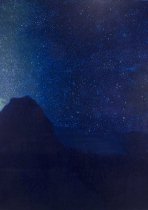
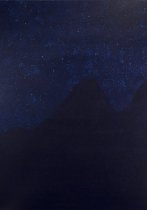
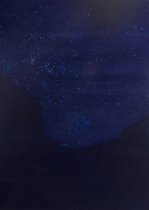
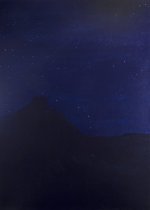
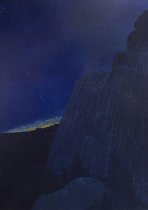
Created in a Pointillist style with the brilliant color palette of the Fauvists, the paintings of New York artist Joseph DiGiorgio are composed of small elliptical dashes of paint in contrasting and complementary colors, which cause the optical illusion of vibrating motion and energy. DiGiorgio started painting in the early 1950s, influenced by his studies at The Cooper Union's School of Art in New York and the Abstract Expressionists, in particular Hans Hoffman, with whom he studied in Provincetown, Massachusetts. DiGiorgio is best known for his monumental images of the American landscape, painted as if the viewer is standing on a promontory overlooking the scene. In the mid-1980s, DiGiorgio embarked on a series of paintings of the Southwest. The most ambitious of these works is The Grand Canyon, 1985, a twenty-four paneled painting depicting each hour of the day in a dramatic panorama. In this monumental work, the artist encourages the viewer to experience the canyon not only through scale, but through time as it transitions from pre-dawn darkness into brilliant daylight, and finally to sunset and back into darkness. This panel is the last of the series and represents the night sky as the sun begins to peek above the horizon line between 4 and 5 a.m. in the summer months. While stars still shine brightly in the night sky, the sun begins to signal the dawn. (February 2016) |